The Black Legion of the Superstition Mountains
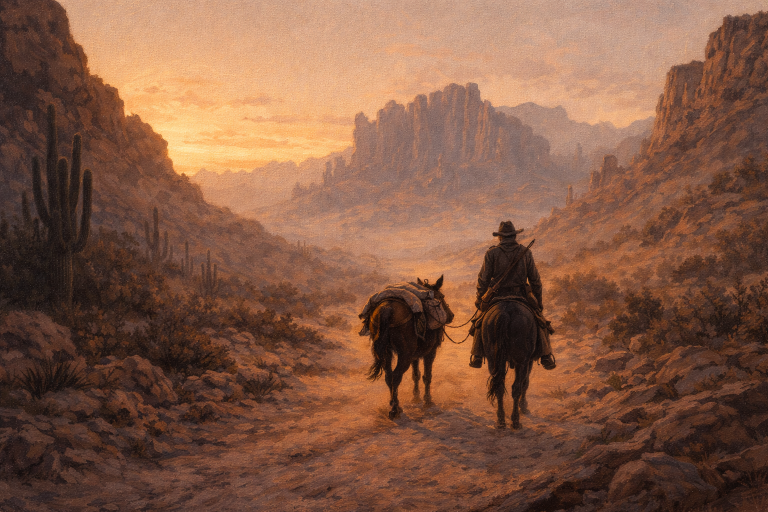
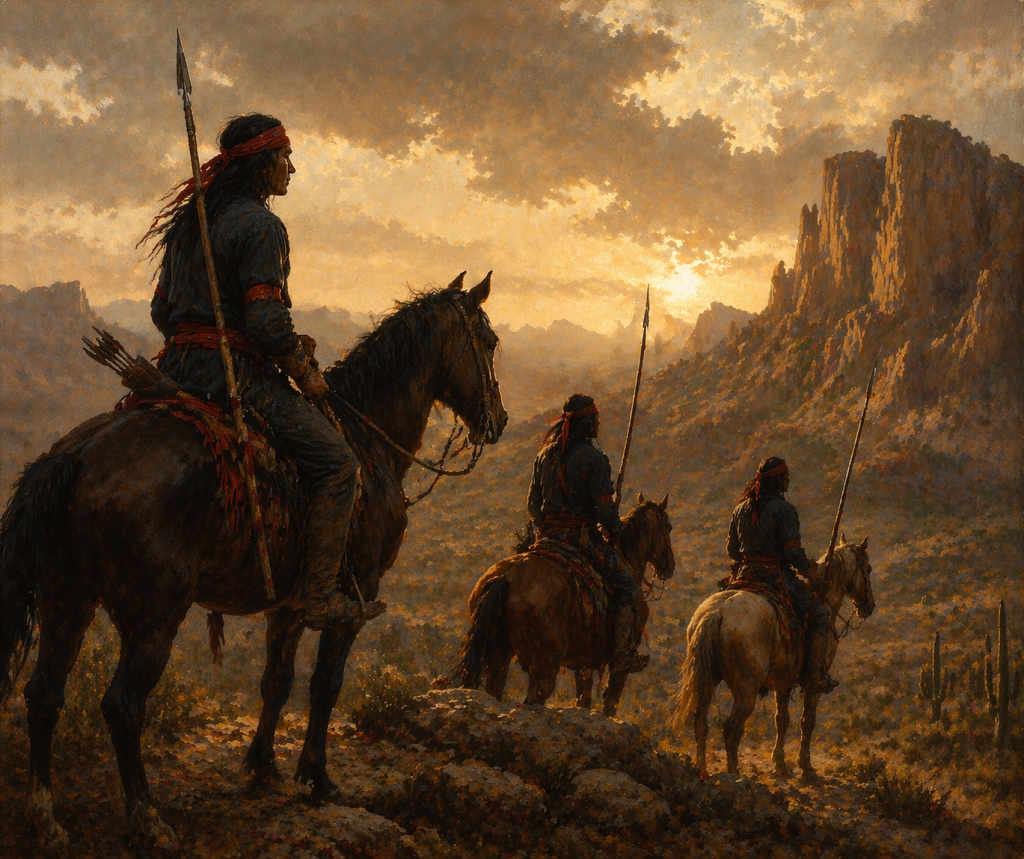
There is a legend that has circulated around the Superstition Mountains for decades. It goes something like this. Somewhere in the remote interior of those mountains, a secret society of Apache warriors moves in the shadows. They dress in black. They guard the sacred burial places of their ancestors and the legendary hoards of gold hidden in the peaks. They appear during certain phases of the moon and they do not take kindly to trespassers.
And apparently, they do all of this in tennis shoes.
That detail comes from accounts passed around in the mid-20th century, where campers claimed to find tennis shoe prints outside their tents in the morning. If you are going to be a secret society of ancient warriors guarding sacred mountain ground, the footwear choice is a bit unexpected. But that is the legend. Black clothing, moonlit peaks, and sneakers.
Others describe car chases on remote desert roads. There are stories of cryptic warnings left at campsites and hikers who felt watched and followed through canyons where no one else should have been.
The legend is called the Black Legion. And like most things connected to the Superstition Mountains, it is more interesting when you start pulling at the threads.
Where the Name Came From
The origin of the Black Legion name is genuinely murky, which is fitting. Some trace it back to the Apache Scouts of the 1870s and 1880s, who wore black tunics and red headbands while serving as guides for the U.S. Cavalry. That connection is plausible but not proven.
References to a Black Legion associated with the Superstitions are difficult to find before the 1930s. In the mid-1930s, several offshoots of the Ku Klux Klan were referred to as the Black Legion in news coverage across the country. Then in 1937, a film called The Black Legion was released, featuring Humphrey Bogart in one of his early feature roles.
It is worth asking whether a person who had heard stories of encounters with Native Americans in those mountains saw that film and the name simply attached itself to something that already existed in local lore. It is not a certainty. But the timing is hard to ignore.
What the Legend Became
Once the name caught on, it spread. Fictional Apache Legionnaires began appearing in novels and comic books. The legend made its way into video games. It even found its way to Gotham City. In one comic book iteration, a character named Black Hawk, Apache Warrior and member of the fierce Black Legion Tribe whose home is the Sacred Mountain in Arizona Territory, became an ally of Batman.
The Superstitions had generated a genuine piece of American pop culture mythology.
The Reality Underneath
Here is what the documented record says. There were no Apache bands living in the Superstition Mountains for extended periods of time. The mountains were actually Yavapai territory, and by 1873 the Yavapai had been removed to a reservation after the Skeleton Cave massacre. The people most commonly associated with the Black Legion legend were not the primary inhabitants of those mountains to begin with.
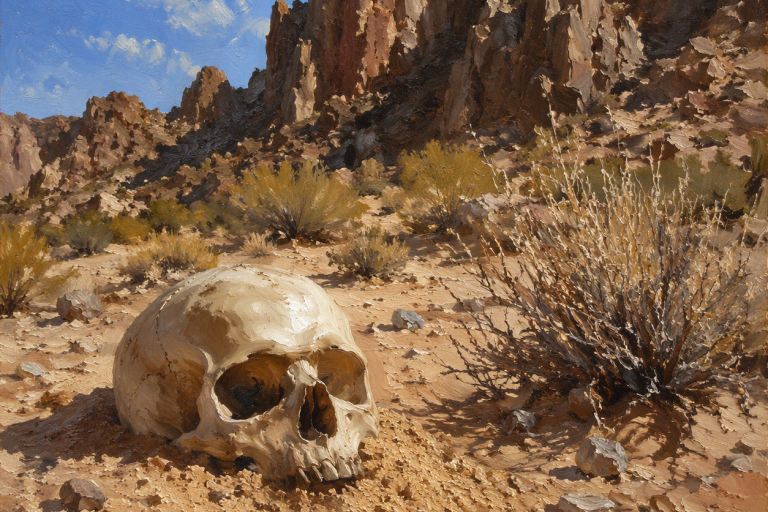
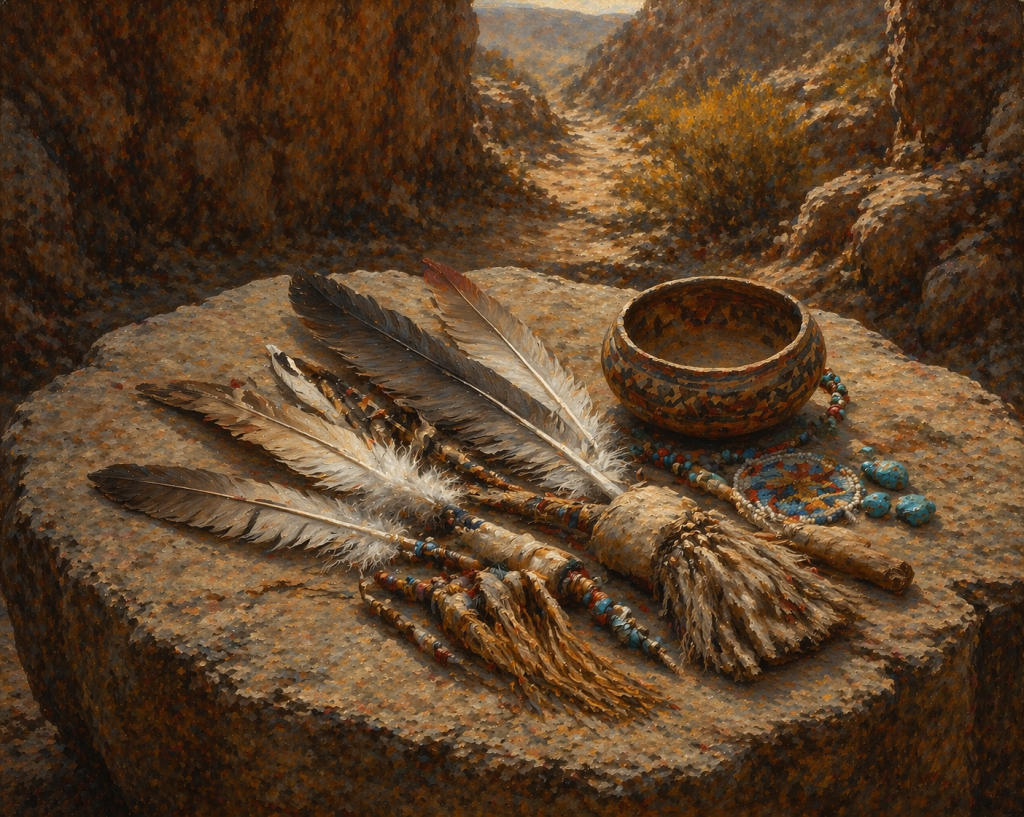
What is real, and this is worth noting carefully, is that ritual objects and offerings have been found in remote areas of the mountains over the years. Crosses, feathers, and ceremonial items have reportedly turned up in places few people ever reach. Whether those represent ongoing traditional practice by descendants of the original inhabitants, or something else entirely, is not something anyone can say with certainty.
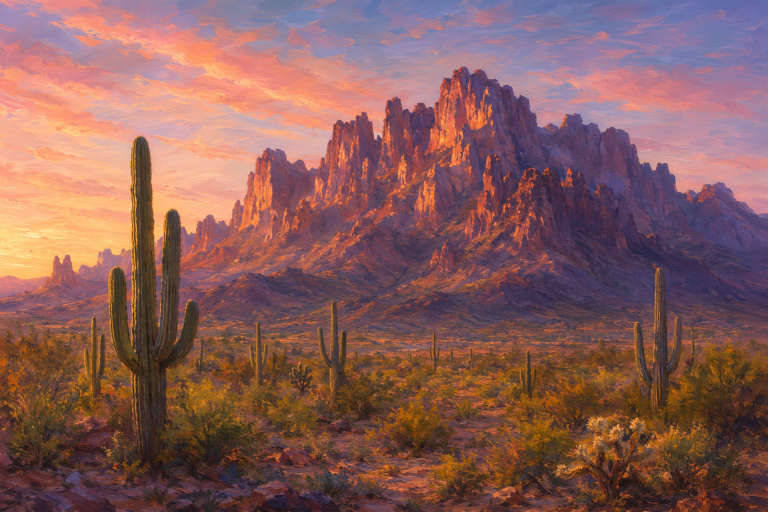
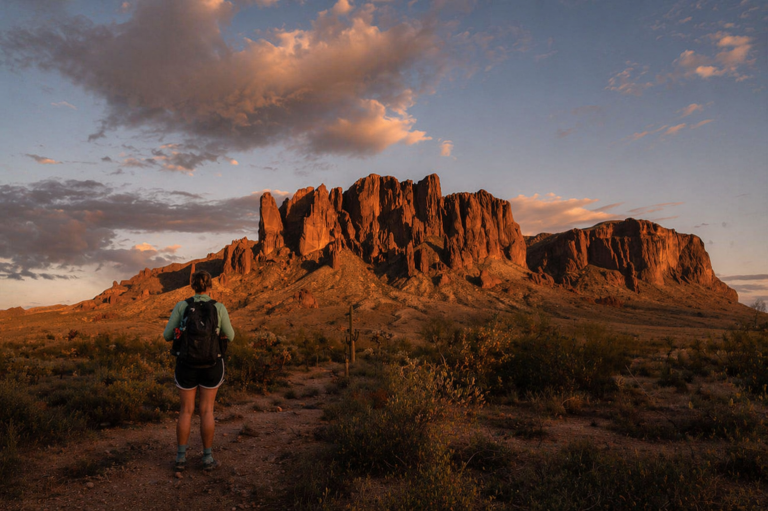
The mountains cover nearly 160,000 acres. Most of it sees very few visitors. What happens in the remote interior is largely unknown.
What People Actually Encountered
The stories behind the Black Legion legend are not all fiction. Some of them are documented encounters with real people in those mountains whose identity and purpose were never established. Prospectors reported warning shots fired at them from unseen positions. Campers found evidence that someone had been at their site during the night. Hikers described being followed through terrain where following someone would require real knowledge of the land.
The explanation could be Apache, Yavapai descendants, other prospectors protecting their claims, or simply the way paranoia and isolation work on the human mind out there. Any of those is possible.
The mountains have always attracted people who did not want to be found. Jacob Waltz spent twenty years making sure no one could follow him. Elisha Reavis lived alone in the eastern Superstitions for decades. Prospectors guarded their claims with rifles and kept their locations to themselves. In that context, an unknown presence moving through remote canyons is not necessarily supernatural. It might just be someone else who does not want company.
A Note Worth Taking Seriously
If you spend any time in the remote interior of the Superstition Mountains and come across something that looks like it might be Native American in origin, an offering, a ceremonial object, the right thing to do is leave it alone and move on.
Whether there are people actively maintaining those sites or whether they are remnants of something much older, they are not yours to disturb. The mountains have enough unresolved history without adding to it.
There’s more going on in these mountains than people can easily explain. They are dangerous, and not everything that happens out there has a clear answer. There are stories of a secret group of warriors dressed in black, guarding gold somewhere deep in the range. It’s the kind of thing that’s hard to take seriously. But like most stories in the Superstitions, it didn’t come from nowhere. People have seen strange things and are just trying to explain them.
The next story in the series is Strange Things in the Superstition Mountains.
Debbie Campbell Fowler is the author of Waco Hauntings: and Other Tales from the Heart of Texas and co-founder of Atomic Clockwork Publishing.
Illustrative images in this post are AI-generated.
Sources
“One of the Most Pervasive Myths Surrounding the Superstition Mountains.” Superstition Mountains Historical Society archives. Author: Forscher.
Kollenborn, Tom. “Superstition Mountain.” Apache Junction Public Library Local History Collection, 2001.
Arizona Republic, October 15, 2007. “Superstitions Rich in Lore, If Not Ore.” John Stanley.